How token limits control venue capacity safely
Relying on deep technical access systems to track every individual movement often complicates operations more than it helps. A token-based capacity system assigns a digital or physical token to a visitor, acting as a straightforward counter that tallies who is inside a given space. When you set a firm limit on the number of tokens available for an area, your entry points automatically deny access once that limit is reached. Your team avoids the burden of monitoring real-time behavioral data because the simple math of issued tokens handles the crowd control natively.
Integrating this straightforward approach into your current infrastructure allows you to manage visitor numbers effectively without requiring extensive technical expertise. As an implementation lead, you need solutions that deploy quickly and run independently during peak operational hours. The token limit mechanism removes the guesswork from venue safety by providing a verifiable, hard cap on attendance that cannot be easily bypassed. This ensures you meet strict safety regulations while maintaining a smooth, unhindered entry process for your guests.
Structuring zone specific tokens for different areas
Partitioning a large venue into manageable segments ensures that visitors only access the physical areas their specific token allows. You can assign distinct token profiles to different spaces, creating a segmented environment where access control happens automatically at the entry point of each zone. This strategy prevents large crowds from gathering in a single area and gives your team precise control over where people can go. Structuring your tokens this way simplifies your technical requirements while providing a robust framework for managing complex physical spaces.
Mapping venue zones to access points
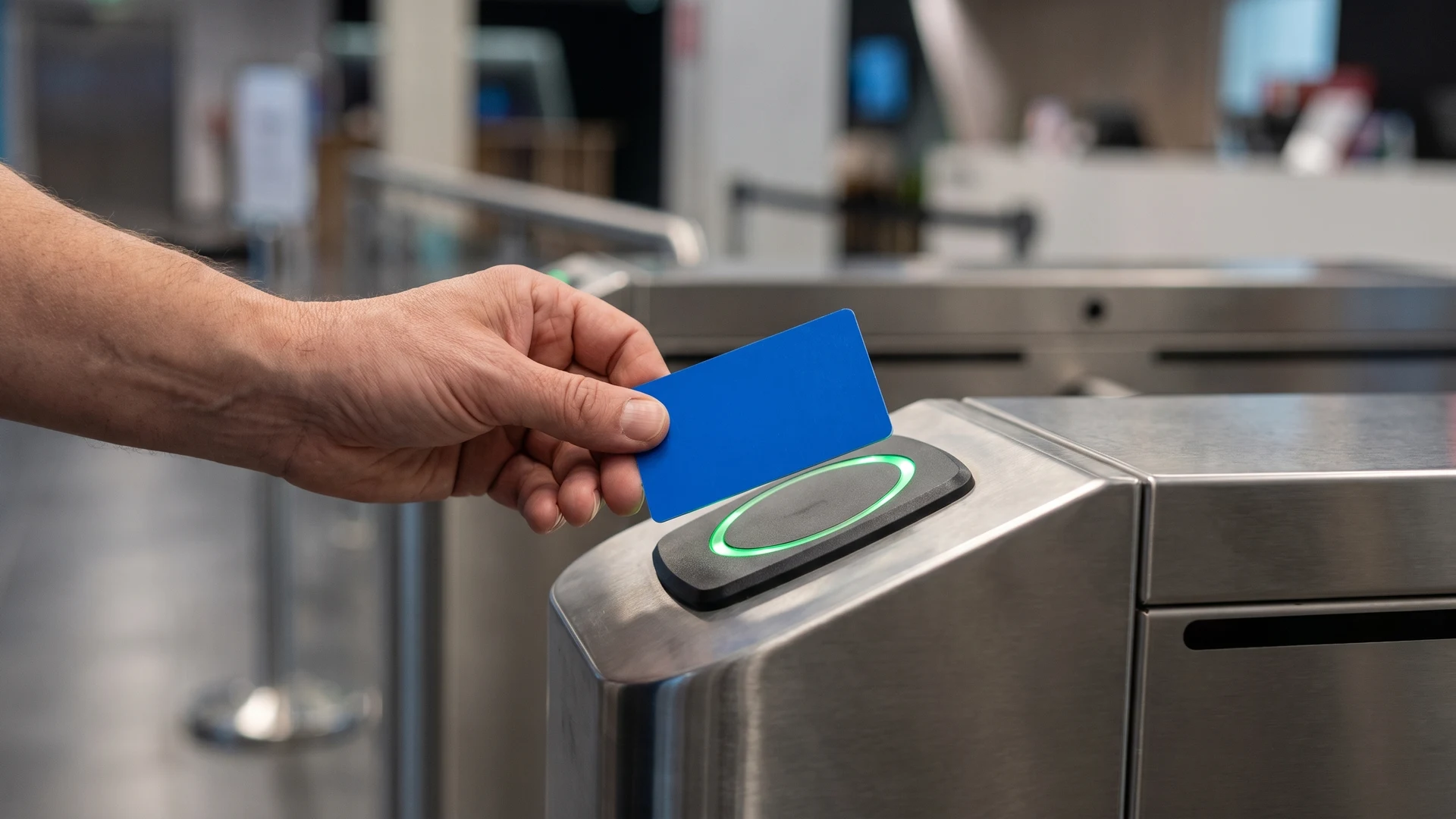
Connecting your digital token permissions to physical barriers requires a clear map of every entry and exit point in your venue. You define specific zones in your management software and link each one to the corresponding turnstile or door reader. When a visitor scans their token at an access point, the system simply checks if their token profile matches the required zone permission. This clear mapping process keeps your technical integration straightforward and ensures visitors seamlessly enter only the areas they are authorized to access.
Managing high traffic ride access
Popular attractions draw heavy crowds that can easily overwhelm standard queuing areas if left unmanaged. By assigning ride-specific tokens, you dictate exactly how many individuals can enter the queue at any given moment. The entry reader tracks each scanned token and pauses access the moment the queue reaches its maximum safe capacity. Your operational staff can then focus on running the ride safely instead of manually counting people or policing the entrance line.
Restricting staff and administration areas
Keeping operational spaces secure is just as critical as managing the public areas of your venue. Staff members receive specialized tokens that grant them access to backstage corridors, administration offices, and inventory rooms. Standard visitor tokens simply lack the digital signature required to unlock these doors, creating an invisible but highly effective barrier against unauthorized entry. You maintain strict security protocols for your team without complicating the physical layout of your public-facing spaces.
Managing visitor flow with time bound tokens
Applying time constraints to your access tokens prevents bottlenecks by spreading visitor arrivals and departures evenly throughout the day. Time-bound tokens activate only during a specifically assigned window, meaning guests cannot enter the venue or a specific zone before their scheduled slot begins. This automatic delay mechanism breaks up large crowds and ensures a steady, manageable flow of people moving through your entry points. You give your team a reliable method to control throughput automatically without needing to intervene when large groups arrive simultaneously.
Structuring access around time slots creates a frictionless experience for the visitor while providing predictable operational rhythms for your staff. When visitors know exactly when they are allowed to enter, they spend less time waiting in congested lines and more time enjoying the facility. This predictability allows you to allocate staff resources more effectively based on the known number of tokens issued for each time block. Ultimately, time-bound access transforms unpredictable crowd surges into a scheduled flow that your infrastructure can easily handle.
Enforcing safe capacity caps through token counts
Setting a maximum token limit per zone acts as a hard cap on visitor numbers that directly supports your safety compliance. Unlike visual counting methods or complex camera tracking, token counts provide an absolute numerical limit that physically prevents further entry once reached. If a zone is rated for five hundred people, your system simply stops issuing or validating tokens for that area when the counter hits five hundred. This gives project managers a robust, verifiable tool that guarantees overcrowding cannot happen at a structural level.
Relying on issuing limits instead of real-time behavioral tracking reduces the technical load on your servers and simplifies maintenance. You do not need to process constant streams of location data, because the token transaction at the door provides all the information required to enforce the cap. This straightforward mechanism reassures your team that safety regulations are being maintained automatically without constant manual oversight. As a neutral educational resource, RFID & NFC notes that reducing system complexity often leads to more reliable compliance in high-traffic environments.
Steps to implement token rules in your venue
Deploying capacity management rules requires a sequential rollout process that integrates with your current daily operations without causing disruption. You need a concrete plan that translates your venue policies into technical configurations at your access points. Following a structured implementation path ensures that your technical infrastructure aligns perfectly with your physical crowd control needs. These practical steps will guide your team through configuring and launching a straightforward token system.
- Map your physical zones: Start by identifying every discrete area in your venue that requires its own capacity limit, such as main halls, specific rides, or staff rooms. You must clearly define the maximum safe occupancy for each of these physical spaces based on local safety regulations. Once you have those numbers, list out all the entry and exit turnstiles that control access to these defined zones. This foundational map allows you to match your hardware layout directly to the token rules you need to enforce.
- Configure your token profiles: Create specific digital profiles in your management system that represent the different access permissions for your venue. You will need separate profiles for general admission, VIP areas, staff access, and any time-bound entry slots. Assign the respective capacity caps to each profile so the system knows exactly when to stop validating entry for that category. Setting these rules digitally before deployment ensures the hardware operates on exact parameters from the moment it is turned on.
- Deploy and test the access readers: Install your physical access readers at the designated entry points and connect them to your central management software. Before allowing public access, you must run controlled tests by scanning tokens to verify that the readers accurately count entries and deny access when limits are reached. Testing confirms that the communication between your hardware and the token profiles functions without delay. Resolving any connectivity issues during this testing phase prevents operational friction when you open the doors to live visitors.
Maintaining intuitive movement for your visitors
Balancing technical capacity control with the human user experience ensures that strict rules do not create confusion for the people attending your venue. When you design your token system properly, the complex validation happens instantly in the background while the visitor simply taps a card or scans a barcode. Clear signage and predictable entry processes support this seamless interaction, keeping the physical flow of people moving smoothly. A well-implemented technical structure ultimately serves the goal of providing a safe, enjoyable event without making the attendees feel restricted.
How do time bound tokens prevent overcrowding during peak times?
They limit access by tying entry to a time window so only a set number are valid. A token is a digital or physical credential that authorizes entry. You size each window to match safe throughput for the area. Gates accept tokens only during that window, then expiry releases capacity.
What is the best way to set zone capacity caps without blocking movement?
Set a hard zone capacity, allocate on entry, and release on exit or expiry. A zone is a defined area within your venue. Size the cap to typical dwell time. Place token checks at all entrances and exits so counts stay current.
How should entry and exit points validate tokens across multiple gates?
Use a shared counter that updates whenever a gate accepts or releases a token. Each gate verifies the token and current zone count before admitting entry. If the network drops, hold a short queue and admit within a small buffer. Sync changes immediately when connectivity returns.
How do you handle overstays or expired tokens gracefully?
Expire the token at the end of its window, then allow exit everywhere and block only new entries. Show a clear reason and the next available time window on the display. Offer a short grace period for edge cases. Provide a staff override with logging.
Can groups or families use shared tokens without breaking the rules?
Yes, by issuing a group token that represents a fixed party size. You link child tokens to the group so each person still checks in and the count stays accurate. Entry accepts the group only when capacity covers the full party. On exit, each scanned person releases their share.