Mapping the guest journey for your token system
Visualizing the complete attendee journey helps you identify exactly how tokens will move through your venue from arrival to departure. By stepping into the shoes of your guests, you can pinpoint moments where queues might form or where the handover process feels confusing. This holistic approach ensures that your technical choices align with the physical movement of crowds and the capabilities of your on-site staff. A well-mapped journey ultimately transforms an abstract technological deployment into a concrete sequence of successful interactions.
Choosing where to issue tokens to attendees
The initial touchpoint where guests receive their physical tokens sets the tone for their entire experience at your venue. Designing a smooth handover process prevents immediate bottlenecks at the main gates and allows your ticketing team to operate efficiently. You must evaluate the hardware requirements, connectivity limitations, and staff training needed for each distribution method before making a final decision. Selecting the right issuance strategy ensures that your attendees enter the event quickly and without unnecessary frustration.
Mailing tokens before the event
Sending tokens directly to attendees weeks before the event removes the need for on-site registration lines completely. The manufacturer provides a manifest file listing every Unique Identifier (UID) alongside a printed serial code on the physical token. Attendees can log into your ticketing portal from home, enter their serial code, and instantly pair the physical chip with their digital ticket profile. If you prefer to handle this internally, your fulfillment team can use high-speed RFID scanners to link the UID to the buyer data during the packaging process.
Managing the on-site box office
Many attendees will still purchase tickets or collect their credentials directly at the physical gates on the day of the event. Your box office staff must be equipped with reliable local scanners that connect directly to your central database to pair tokens instantly. Because outdoor festivals and remote venues often suffer from poor internet connectivity, you should rely on local caching servers to ensure continuous operation. This offline capability allows your team to keep the entry lines moving smoothly even if the main cloud connection drops unexpectedly.
Using self-service collection kiosks
Self-service stations allow guests to bypass traditional staffed windows by scanning a digital barcode to dispense their pre-assigned token automatically. These kiosks require robust technical infrastructure, including secure network connections and integrated dispensers that can handle the physical form factor of your chosen token. You must ensure the kiosk interface provides clear instructions so that guests can complete the collection process without needing assistance. Implementing this automated approach reduces your reliance on manual labor while maintaining a secure and efficient distribution channel.
Walking through the attendee token sequence
Outlining the exact chronological steps a guest takes inside the venue provides a concrete roadmap for your implementation team. This sequence helps you identify potential friction points in real time and ensures that the technology functions reliably at every stage. You can clearly define what the attendee experiences and what background processes must trigger to make that experience seamless. Tracking these interactions step by step guarantees that you have accounted for all necessary hardware and data connections.
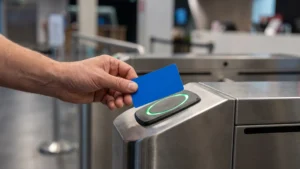
- Arrival: The guest approaches the main entry gate and taps their newly acquired token against the initial access turnstile.
- Validation: The local system reads the chip, verifies the active status in your database, and physically unlocks the barrier to allow entry.
- Purchasing: The attendee visits a vendor stall and taps their token on a point-of-sale reader to deduct funds for food or merchandise.
- Support: If a read error occurs, the guest visits a designated help desk where staff can scan the chip and resolve the discrepancy immediately.
- Departure: The guest exits the venue through a final checkpoint that logs their departure and deactivates the token for security purposes.
Coordinating token management across your teams
A successful token deployment requires distinct departments to share responsibilities and data effectively behind the scenes. Your technical decision-makers must ensure the system remains manageable for staff across different physical zones and integrates well with existing workflows. Clear communication between teams prevents isolated technical failures from escalating into venue-wide disruptions during peak hours. By establishing specific operational protocols, you empower every department to handle their respective handover points with confidence.
Equipping your security team
Security personnel serve as the frontline defense for your access control system and need reliable tools to verify guest credentials instantly. You must provide them with handheld scanners that display clear visual indicators, such as a green light for valid entry or a red light for a rejected scan. Training the security team to handle rejected tokens calmly ensures that genuine guests are redirected to support stations without causing alarm. This immediate verification capability keeps the crowd flowing safely and prevents unauthorized access to restricted areas.
Training food and beverage vendors
Vendors handle the highest volume of token interactions and require systems that process transactions faster than traditional cash or card payments. Your training program should teach the food and beverage staff how to position the point-of-sale readers so that attendees can tap their tokens effortlessly. You must also establish a clear fallback procedure so vendors know exactly what to do if a local network outage temporarily disrupts the payment processing. Preparing the vendors thoroughly minimizes queue times at the stalls and protects your overall revenue stream.
Setting up technical support stations
Dedicated support stations act as a vital safety net for guests who experience issues with lost, damaged, or unreadable tokens. You need to strategically place these help desks throughout the venue so that attendees can reach them quickly without walking all the way back to the main entrance. The support staff must have full administrative access to look up user profiles, issue replacement chips, and instantly blacklist the lost credentials. Providing this accessible troubleshooting layer ensures that minor technical glitches do not ruin the overall guest experience.
Handling token collection at the exit
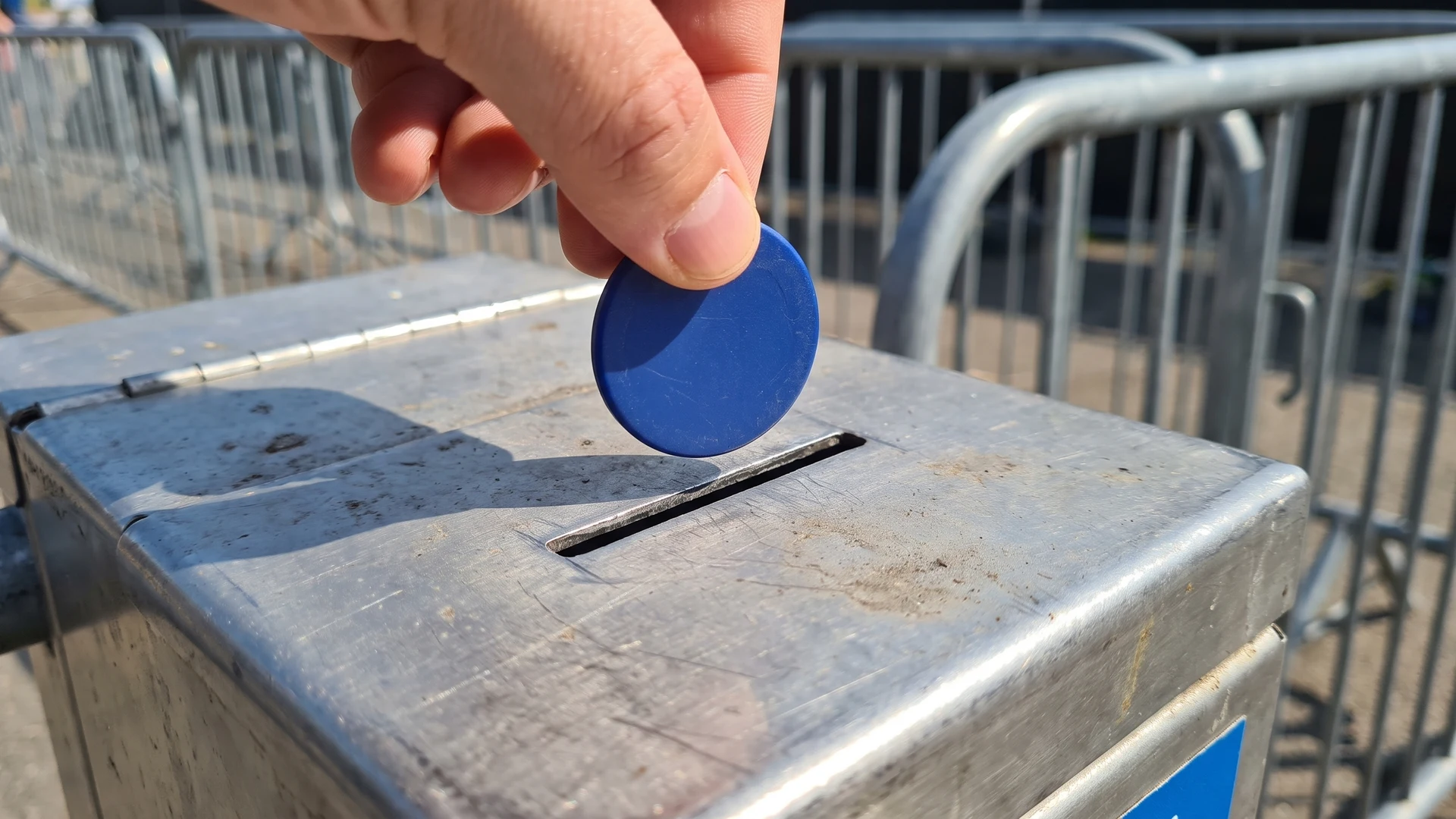
Securing the final step of the guest journey involves retrieving, deactivating, or recycling the tokens as attendees leave the venue. Automated drop-boxes at the exit gates allow you to collect physical credentials efficiently by integrating proximity scanning and mechanical sorting. When an attendee drops their token into the slot, an internal antenna reads the chip, logs the timestamped exit event, and unlocks the turnstile automatically. This mechanism allows you to recover high-quality badges for sustainable recycling and maintains an accurate audit trail of your venue capacity.
If your event uses digital deactivation rather than physical collection, you must rely on automated system updates to revoke access rights. Time-based expiration automatically rejects the token once a pre-programmed checkout hour passes, requiring no manual intervention from your staff. For fully networked setups, your central software can send an immediate command to the exit scanners to invalidate a specific token instantly upon departure. Choosing the right deactivation method helps you balance strict security needs with maximum convenience for your departing guests.
Evaluating your complete token workflow
Reviewing and testing the full journey before the live event begins is the final crucial step in your implementation process. Running comprehensive trials across all entry points, vendor stalls, and exit gates allows you to confirm that every handover point operates consistently. As an educational resource, RFID & NFC encourages thorough planning and objective evaluation rather than rushing the deployment of complex access systems. Taking the time to validate your entire workflow ensures a reliable performance that leaves a positive lasting impression on your attendees.
When is the best point to issue tokens to attendees?
Issue tokens at the point that eases entry without raising risk. Mailing reduces gate queues but needs accurate addresses and a simple online activation that links token to ticket. On-site pickup centralises control but needs staffed lanes. Many teams run a hybrid to balance both.
How do pre-distributed RFID tokens link to ticket records?
Pre-distributed RFID tokens link to tickets by pairing each chip’s unique identifier with their record in a database. RFID means radio frequency identification. Attendees self-activate by entering a serial code online which creates the link. At entry an RFID reader checks that identifier against a copy for resilience and speed.
What handovers should we define between teams along the journey?
Define a clear owner at each touchpoint, from token issuance to checks, exceptions, and exit collection. Write the trigger, the data passed, and the success criteria for each handover. Assign an escalation path for lost or damaged tokens. Rehearse the flow with a timed dry run before go live.
How should we collect and deactivate tokens at the exit?
Use a staffed lane or an automated drop box that reads and captures tokens as guests leave. A drop box contains an RFID reader, a chute, and a locking bin that holds returned tokens. The system logs the exit and removes access rights. It can release a turnstile if needed.
How does token collection and recycling support sustainability goals?
Collecting and reusing tokens reduces waste and keeps embedded electronics out of landfill. Recycling or reprogramming high quality tokens supports a circular system where materials stay in use. Recycled plastics can cut energy demand by up to 70 percent. Publish return rates so your team can track and improve participation.