Identifying bottlenecks at the entry door
When your event attendees arrive at the entry door, they often face a complex mix of ticket scanning, bag searches, and token collection happening all at once. Forcing your security team to handle physical inspections while simultaneously managing digital entry systems creates immediate congestion at the gate. This overlapping of responsibilities means that a single technical delay or thorough bag check pauses the entire line for everyone else. Separating these distinct tasks into dedicated zones ensures that a delay in one step does not completely halt the overall flow of your crowd. You can maintain strict access control without compromising the welcoming atmosphere that your guests expect right from the start.
Structuring the entry process step by step
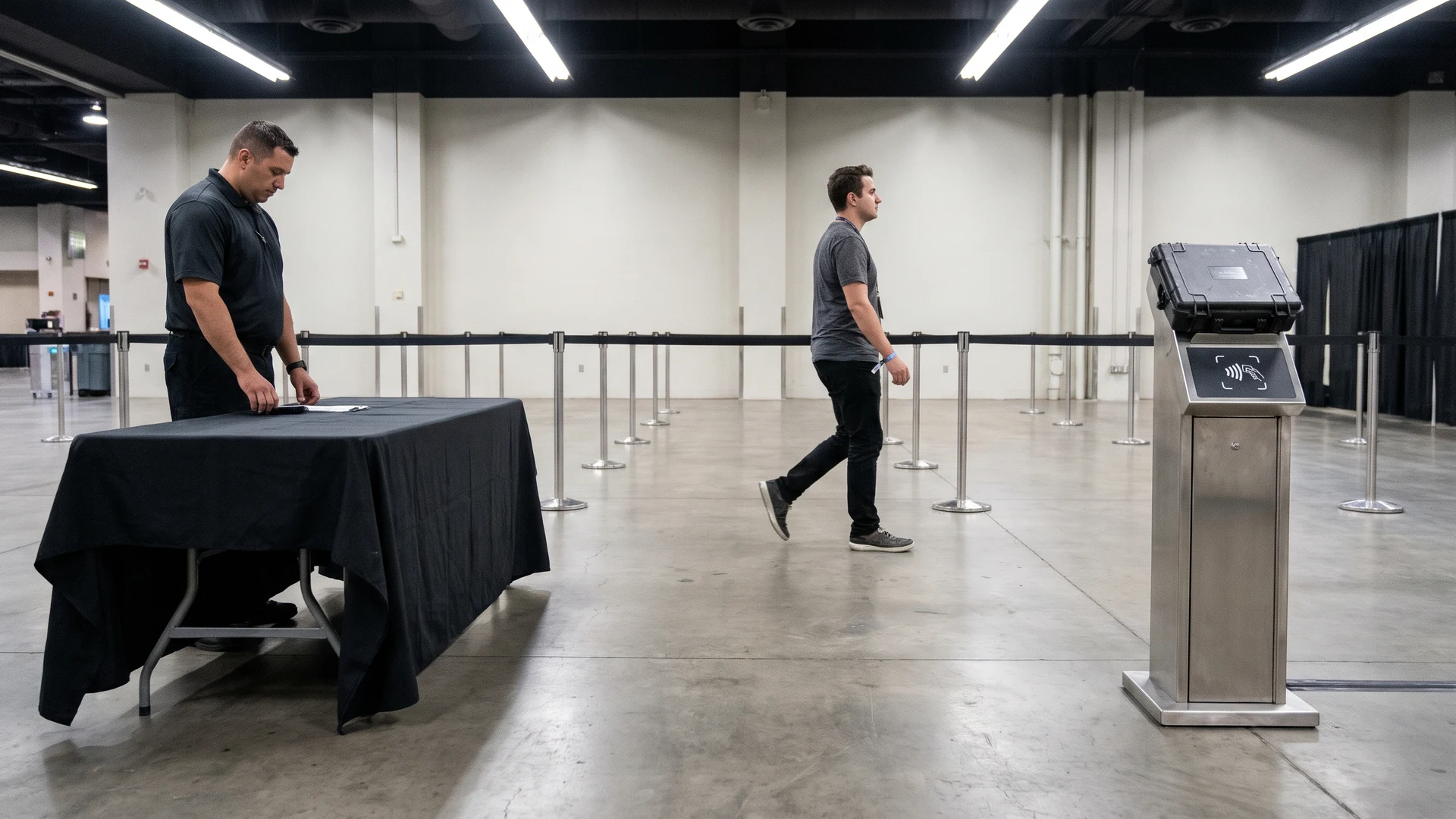
Establishing a logical sequence for your entry gates requires you to physically separate identity verification, security checks, and digital token interactions. When you map out these steps sequentially, your attendees know exactly what to do at each station without confusion or hesitation. This structured approach allows your staff to specialize in one specific task rather than juggling multiple responsibilities simultaneously. A clear blueprint for this physical checkpoint integrates smoothly with your existing venue operations and keeps lines moving efficiently.
- Identity and ticket verification: Your first interaction point should focus entirely on confirming that the attendee holds a valid ticket or credential for the event. Staff members at this station only need to scan barcodes or check names, which allows them to process people rapidly without distraction. Moving this step to the very front of the line prevents unauthorized individuals from crowding the more sensitive security areas. You establish an immediate perimeter that keeps the rest of the entry process secure and organized.
- Physical security and bag searches: Once your attendees pass the initial ticket check, they should move into a dedicated zone specifically designed for bag searches and metal detection. Security personnel in this area must remain completely focused on safety protocols without the added burden of operating ticket scanners or token dispensers. Giving your security team ample space to inspect items ensures they do not feel rushed by the pressure of digital entry delays. This separation minimizes dropped items and keeps the physical search process thorough and efficient.
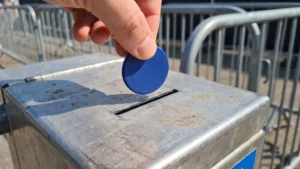
- Token distribution and activation: The final step in your entry sequence involves handing out or activating digital tokens for payments and access within the venue. Placing this station after the security check prevents attendees from fumbling with small items while they are trying to open their bags for inspection. Your guests can easily put their wallets and personal items away before interacting with the token system. This sequential arrangement ensures that everyone enters the main event space fully equipped and ready to participate.
Positioning your token readers and exchange points
Deciding exactly where to install your token systems depends entirely on the unique layout and space constraints of your specific venue. You must adapt the technology to fit your physical environment rather than forcing your crowd flow to accommodate awkwardly placed hardware. Placing readers and exchange tables in the wrong locations creates unexpected dead zones that disrupt the organized sequence you just established. Strategic positioning maximizes your throughput and ensures that attendees transition smoothly from the security checkpoint into the main event space.
Pre-security queuing zones
Utilizing the space where attendees wait before reaching the security checkpoint offers an excellent opportunity to manage token distribution early. You can deploy roaming staff members or standalone kiosks in these pre-security queuing zones to handle token purchases while guests are simply standing in line. This proactive approach captures attendees during their natural idle time and reduces the number of tasks they need to complete at the actual entry gate. When guests handle their token transactions before reaching the physical search tables, you significantly accelerate their final transition into the venue.
Post-security collection tables
Setting up dedicated collection tables immediately after the security checkpoint provides a calm environment for attendees to retrieve their pre-purchased tokens. You must ensure this area is positioned far enough away from the bag check stations so that guests have space to reorganize their belongings. When attendees step away from the high-pressure security line, they can comfortably interact with your token staff without blocking the flow of traffic behind them. This designated collection zone helps you maintain a steady output from the security lanes while still fulfilling all token requirements.
Dedicated fast lanes for pre-loaded tokens
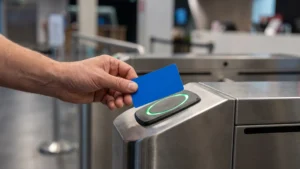
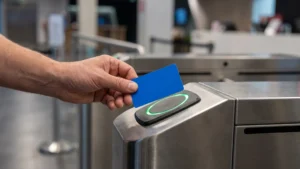
Creating specialized fast lanes for guests who already hold pre-loaded tokens allows you to bypass the standard distribution points entirely. You can install standalone readers at these dedicated entry points so that prepared attendees simply tap their devices and walk straight through. This setup rewards guests who planned ahead and dramatically reduces the volume of people waiting at your manual exchange tables. By routing a portion of your crowd through these automated lanes, you free up your staff to assist attendees who require more complex support.
Preventing overlap at the bag check table
Addressing the interaction between physical security searches and digital token scanning is essential for preventing bottlenecks at your most sensitive checkpoints. When you force security personnel to scan digital credentials while simultaneously inspecting bags, you split their attention and compromise safety protocols. Attendees often drop their phones, tokens, or personal belongings when they try to juggle open bags and digital devices at the same exact moment. By strictly separating the physical search workspace from the digital scanning hardware, you help everyone maintain focus on their designated tasks.
You can design a workspace that physically distances the bag inspection tables from the token readers by just a few feet to create a natural buffer. This small spatial gap gives your attendees a moment to zip up their bags and secure their items before they reach for their digital credentials. Your security team stays focused purely on identifying prohibited items instead of troubleshooting a reader that fails to scan a device. Designing this clear boundary empowers your implementation team to build a checkpoint that prioritizes safety without sacrificing technological efficiency.
Choosing reader specifications for high volume entry
Selecting the right hardware for your entry gates requires an understanding of how Radio Frequency Identification (RFID) technology performs in heavily crowded environments. Because human bodies are composed mostly of water, dense crowds absorb Ultra-High Frequency (UHF) radio signals and create physical shields that block the connection between the reader and the tags. You can overcome this challenge by installing circularly polarized antennas, which cast a wider signal and catch tags from multiple different angles as attendees walk past. Understanding these environmental factors helps your technical decision-makers choose equipment that maintains high scan speeds even when the gates are packed with people.
When you place multiple readers close together at a multi-lane entry point, their overlapping signals can interfere with each other and cause missed scans. You can prevent this reader collision by configuring your hardware to use Dense Reader Mode, which forces each device to operate on strict, non-overlapping channels. As detailed in the educational resources provided by RFID & NFC, implementing anti-collision algorithms allows your system to sort through competing tag signals rapidly when hundreds of attendees pass through simultaneously. Evaluating these specific technical metrics ensures your entry system can handle continuous high-volume traffic without experiencing frustrating delays or dropped data.
Testing the flow before the doors open
Running a comprehensive physical trial of your newly structured entry process is the final step before you welcome real attendees into your venue. You should have your team members walk through the exact sequence of ticket validation, bag checks, and token collection to identify any awkward transitions or spatial dead zones. This risk-free testing phase allows you to adjust the placement of tables and technology while you still have time to make meaningful changes. By simulating the actual crowd flow beforehand, you build confidence that your system will operate smoothly when the doors finally open.
Where should I place token readers relative to ticket scanning and bag checks?
Place token readers after ticket validation and before security tables, with a clear buffer. Give each station a single job. Mount antennas slightly offset from metal and crowd lines to keep the read zone tight. Use large signs and floor marks to steer people.
How do I link tokens to tickets or identities without slowing the line?
Bind the token to the ticket or identity at the first touchpoint. Show a visible confirmation light or screen so staff do not recheck. Use simple color or text cues on tokens to route bags. Keep a separate resolution lane for exceptions to avoid halting flow.
What RFID reader configuration improves throughput in dense crowds?
Use Radio Frequency Identification readers with circularly polarized antennas to capture tags in varied orientations. Keep transmit power within local limits and tune for a small, focused zone. Enable Dense Reader Mode, which assigns non overlapping sub channels, to prevent cross talk. Filter duplicates so the network sees unique events.
How can I estimate the number of lanes or readers I need at opening time?
Map each step, estimate the slowest task, and size lanes to that pace. Time a small pilot to see how long ticket scan, token issue, and bag check take. Add overflow space so surges do not block earlier stations. Adjust staffing where the queue first forms.
How do I reduce misreads from metal tables, liquids, and nearby lanes?
Keep readers and antennas away from metal tables and water containers that reflect or absorb radio waves. Use shielding panels between lanes and raise the Received Signal Strength Indicator threshold so distant tags are ignored. Stagger antenna angles to limit cross reads. Separate readers and assign channels to avoid collisions.